The fittings standing between your Riviera and the ocean
Some of the most important pieces of equipment on any vessel are also the least glamorous: through-hull fittings, seacocks (ball valves) and sea strainers.
These components operate quietly in the background every time you go boating. They supply seawater to engines, generators, air conditioning systems, stabilisers, watermakers and washdown systems while safely discharging grey-water or waste overboard. More importantly, they form part of the vessel’s primary water ingress protection system.
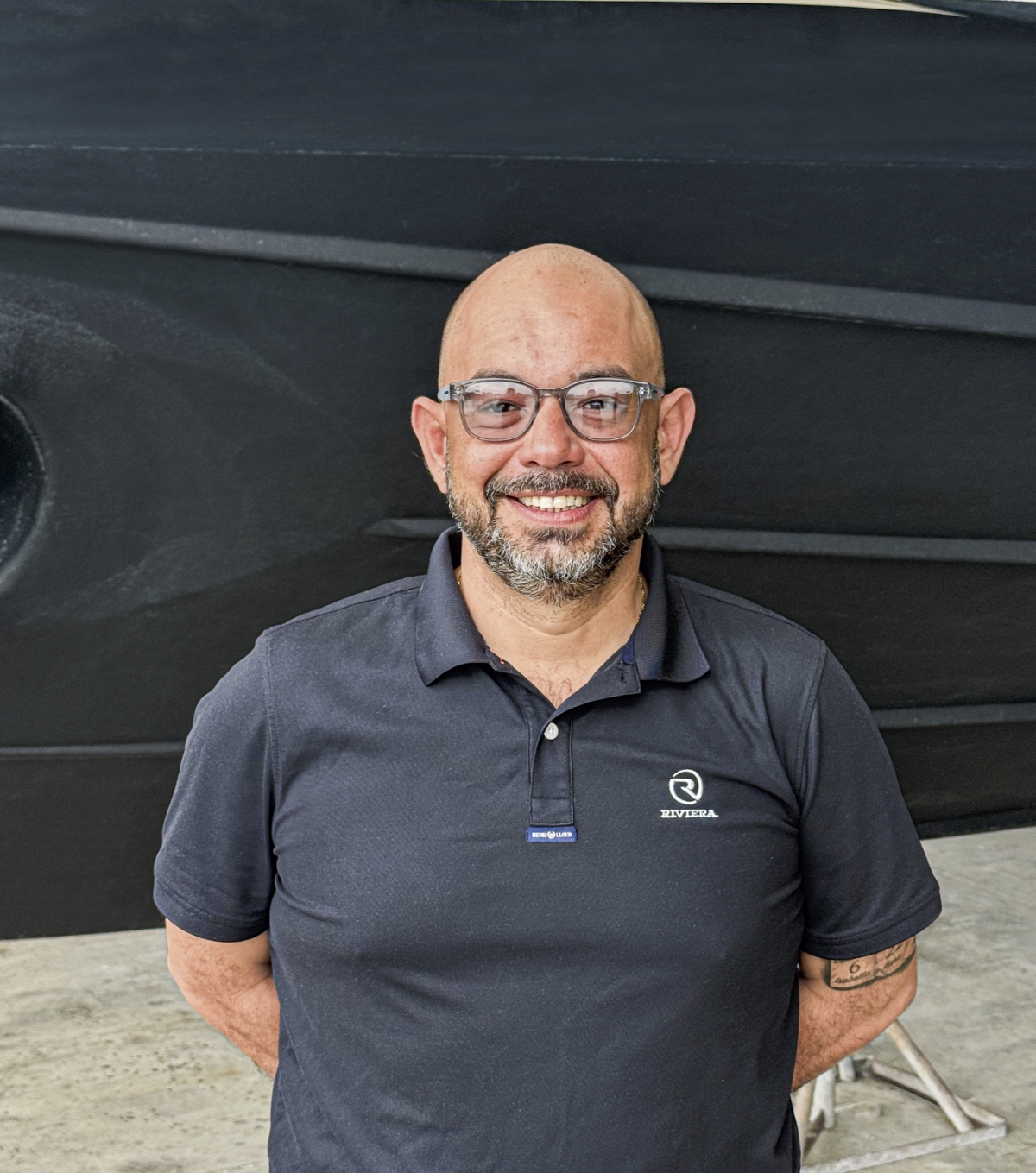
Daniel De Vivero, from Riviera's Aftermarket & Service Support team.
A failed fitting, seized valve or neglected strainer can result in lost boating time, costly repairs, system failures or, in extreme cases, water ingress advises Daniel De Vivero, from Riviera’s Aftermarket & Service Support team.
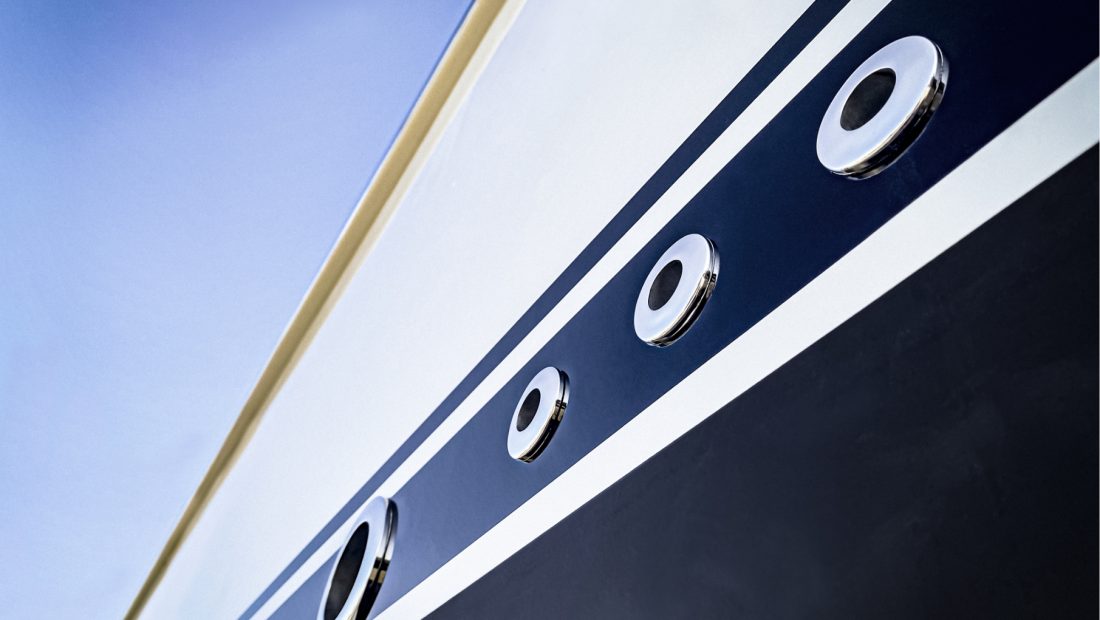
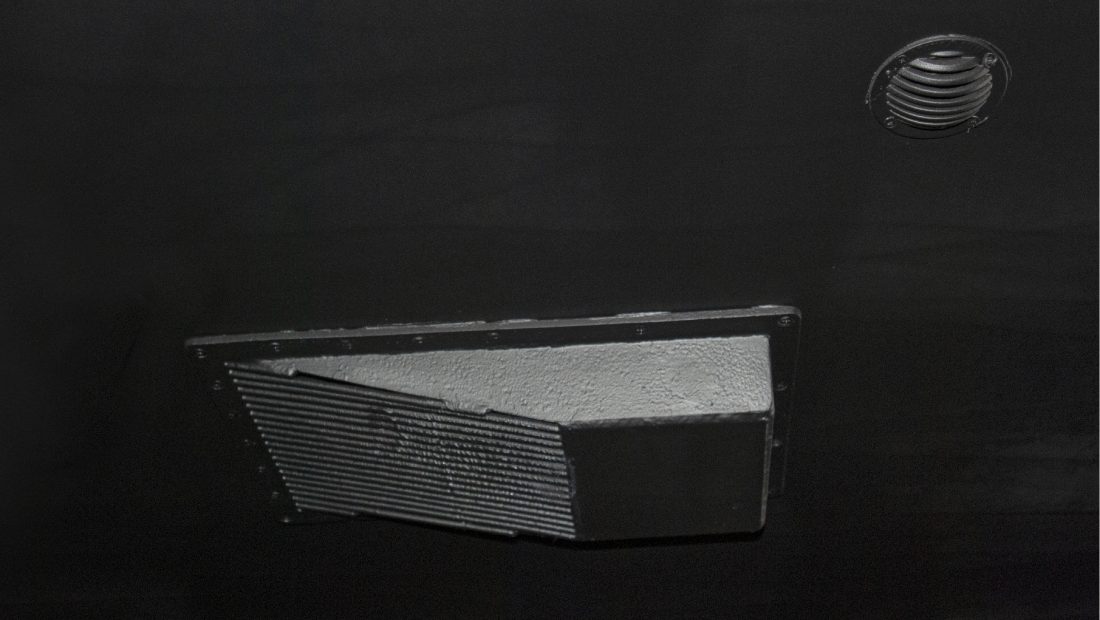
Through hull fittings are located both above and below the waterline.
What is a through-hull fitting?
A through-hull fitting, also known as a skin fitting, is any fitting that passes through the hull, allowing water or waste to enter or leave the vessel. Riviera yachts contain numerous through-hull fittings both above and below the waterline.
Typical systems connected to through-hull fittings include:
Main engine cooling systems
Generator cooling systems
Air-conditioning cooling systems
Raw-water deck wash systems
Watermaker systems
Grey-water drainage systems
Black-water discharge systems
Stabiliser and gyro cooling systems (where fitted)
Many owners are surprised to learn just how many openings exist below the waterline. Every one of these fittings requires regular inspection and maintenance.
“Many owners are surprised to learn just how many opening exist below the waterline. Every one of these fittings requires regular inspection and maintenance.”
Daniel De Vivero
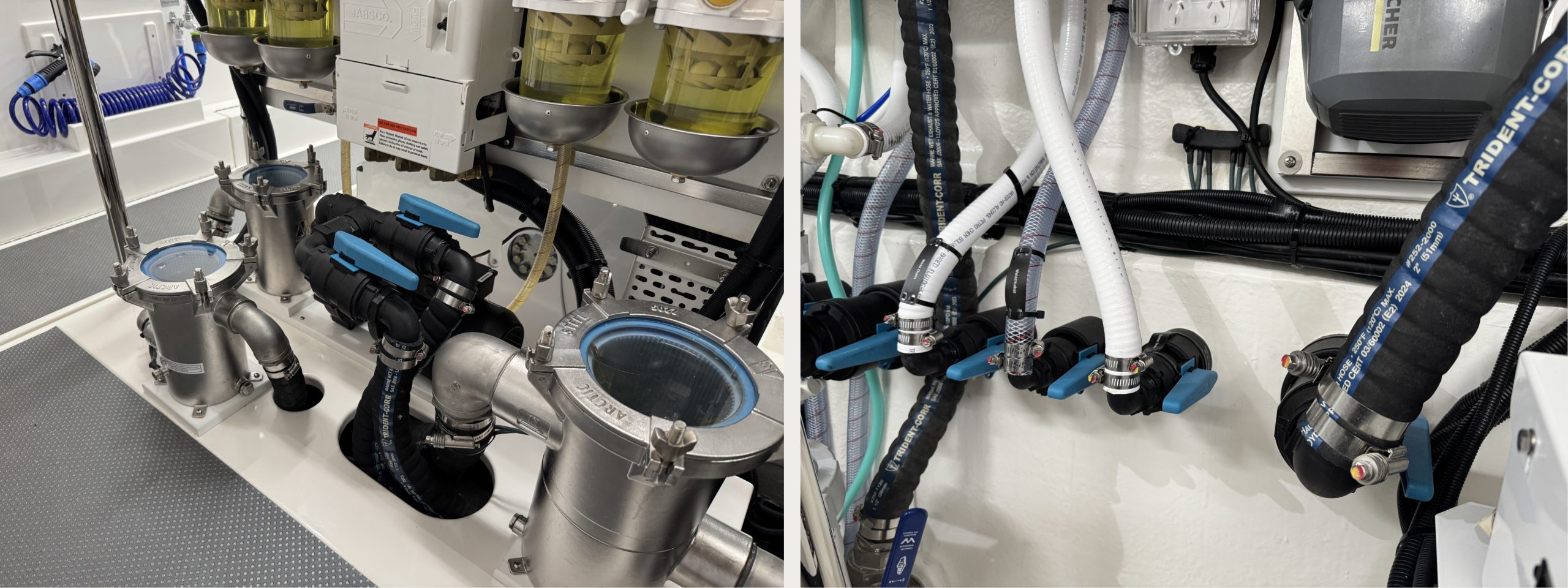
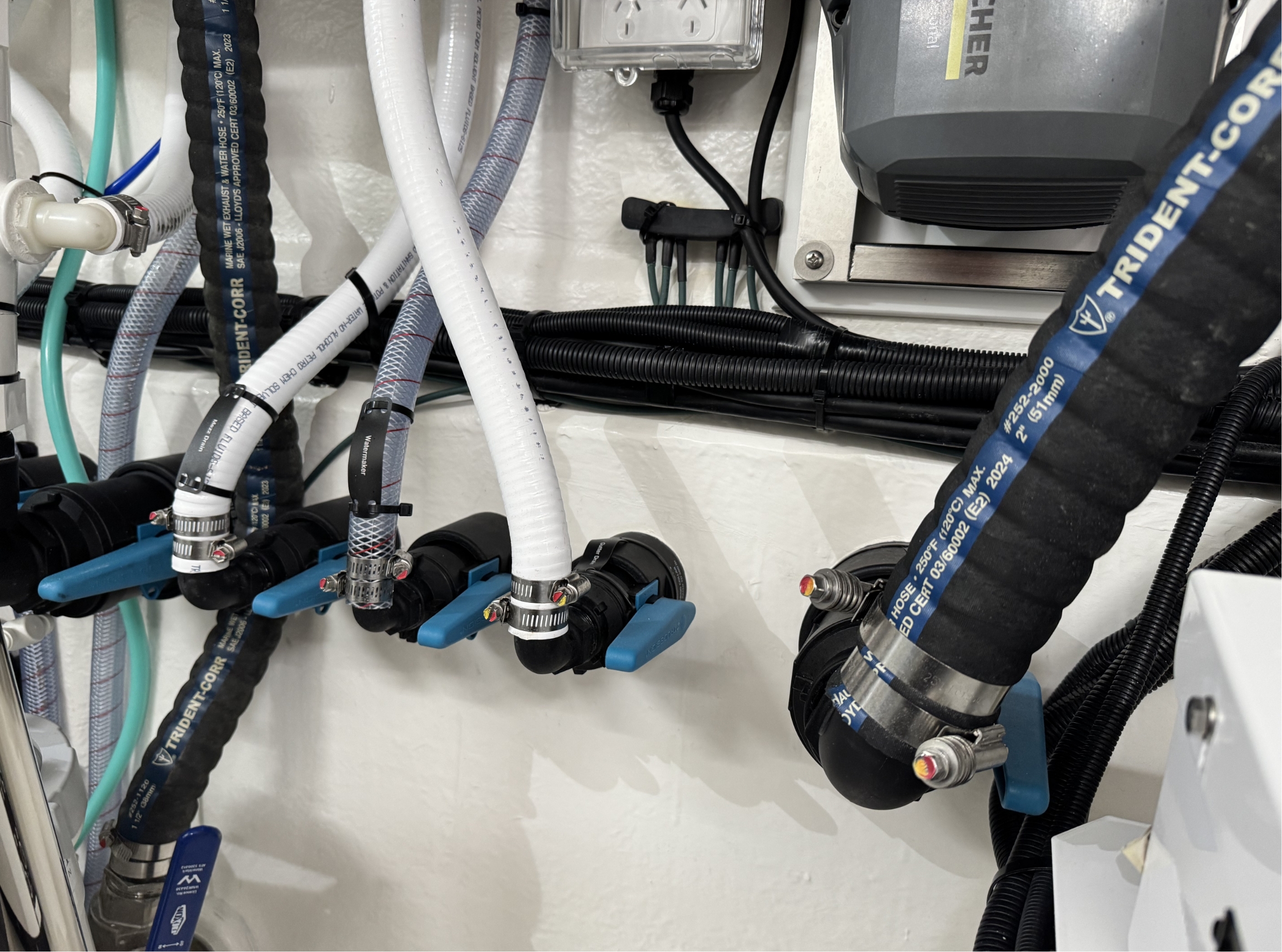
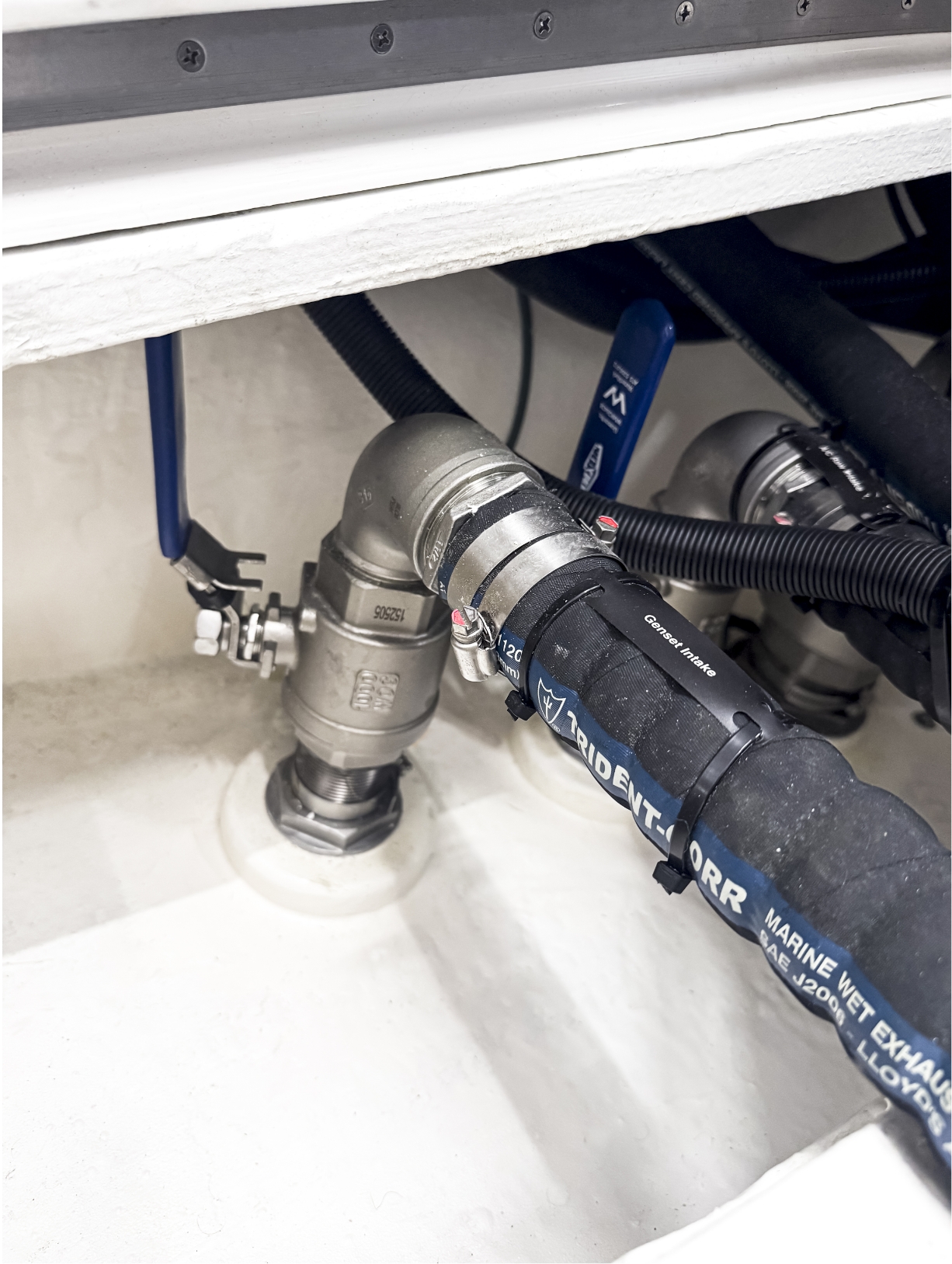
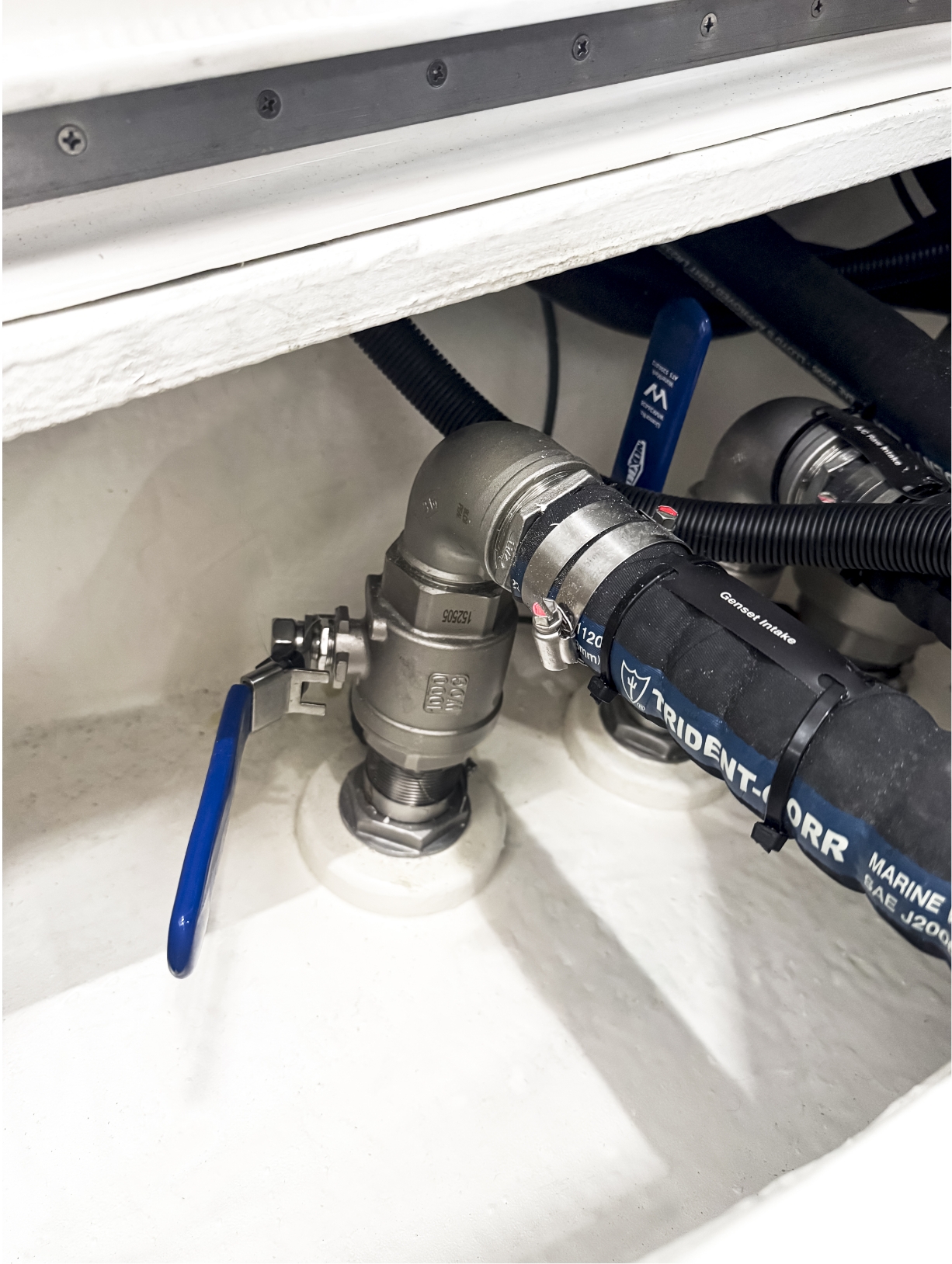
Riviera yachts utilise seacocks with a quarter-turn ball valve allowing you to quickly determine whether the valve is open or closed.
What is a seacock?
A seacock is a marine shut-off valve installed directly on a through-hull fitting. The Riviera manuals define a seacock as:
“A through hull valve, a shut-off on a plumbing or drain pipe between the vessel’s interior and the sea.”
Modern Riviera vessels typically utilise quarter-turn ball valves, allowing operators to quickly determine whether the valve is open or closed.
Seacocks are generally divided into two categories:
Inlet seacocks
These allow seawater to enter the vessel for:
Port engine cooling
Starboard engine cooling
Generator cooling
Air-conditioning cooling
Deck wash systems
Gyro stabilisers (where fitted)
Watermakers (where fitted)
Outlet seacocks
These are typically used for:
Black-water holding tank discharge systems
Owners should remember that black-water discharge seacocks must remain closed whenever operating inside designated marine sanitation exclusion zones.
The first line of defence against water ingress
The Riviera manuals consistently emphasise the importance of seacocks as safety systems.
Owners are advised: “To reduce the risk of flooding, keep seacocks closed when your boat is not in use and inspect them annually.”
Whenever returning to your vessel after an extended absence, one of the first checks should be ensuring all seacocks are in the correct operating position and showing no signs of leakage.
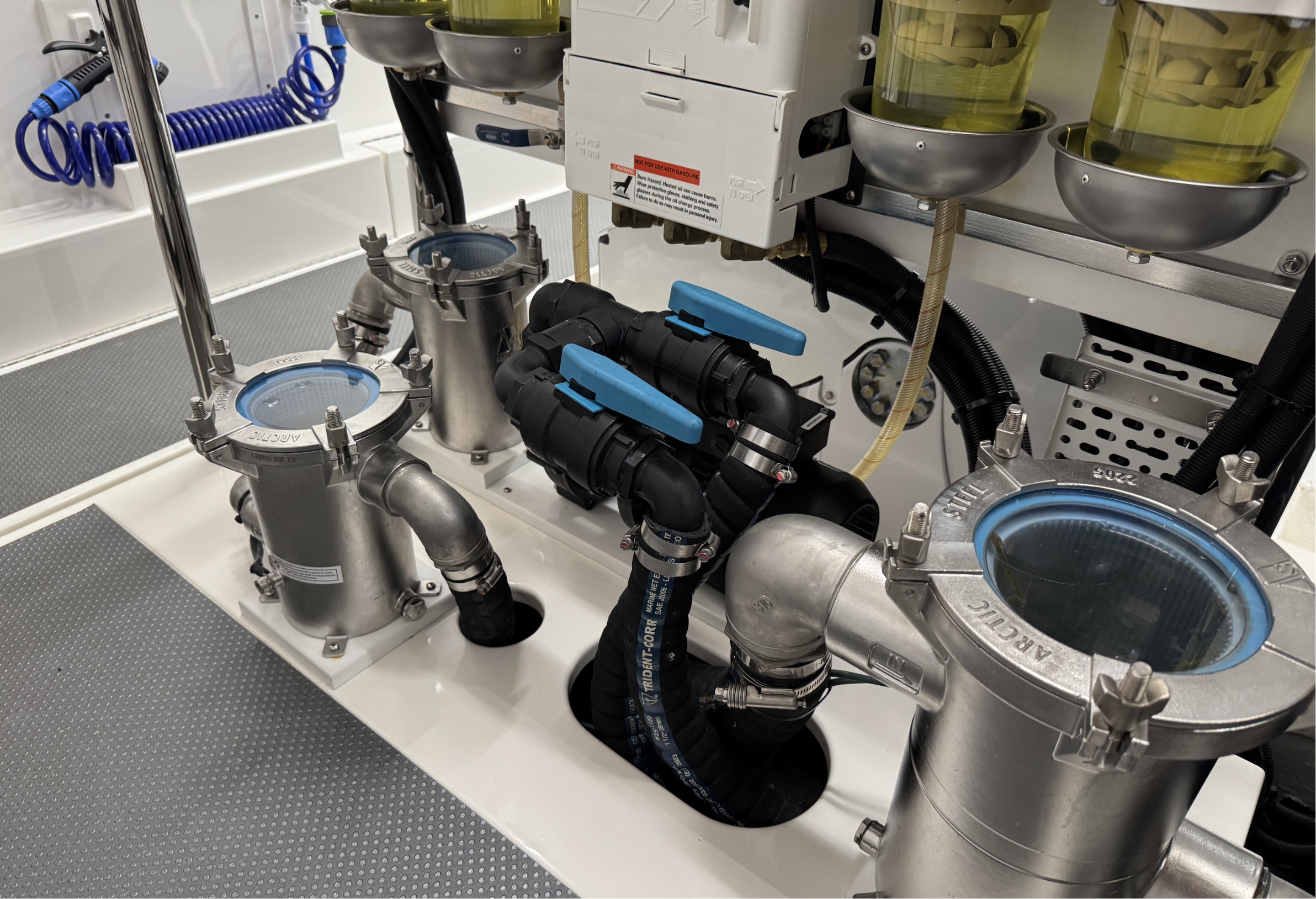
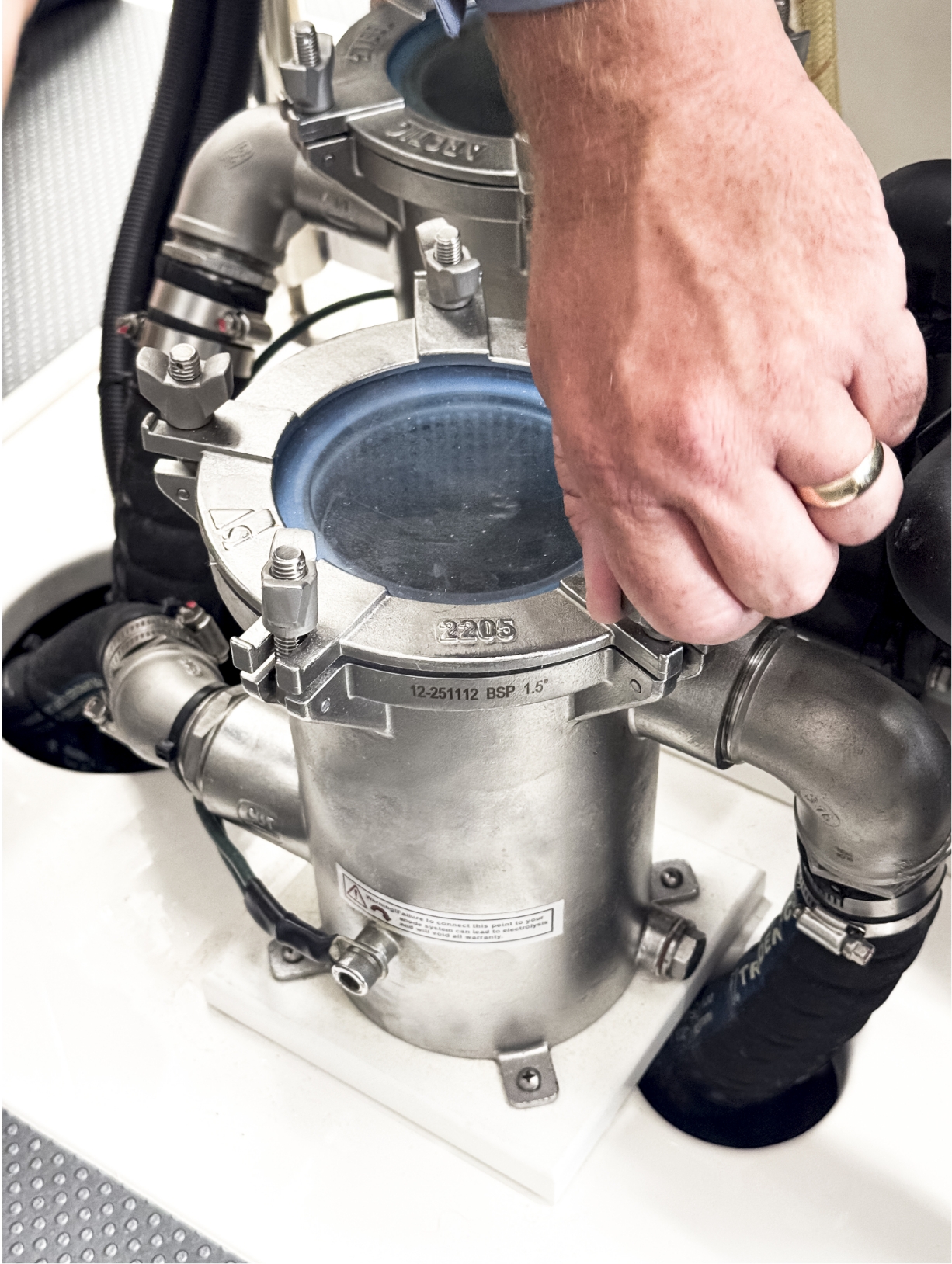
Sea strainers play a vital role in protecting all raw water cooled engines, generators and equipment.
Why sea strainers matter
Before seawater reaches your engines, generators or other seawater-fed systems, it passes through a sea strainer.
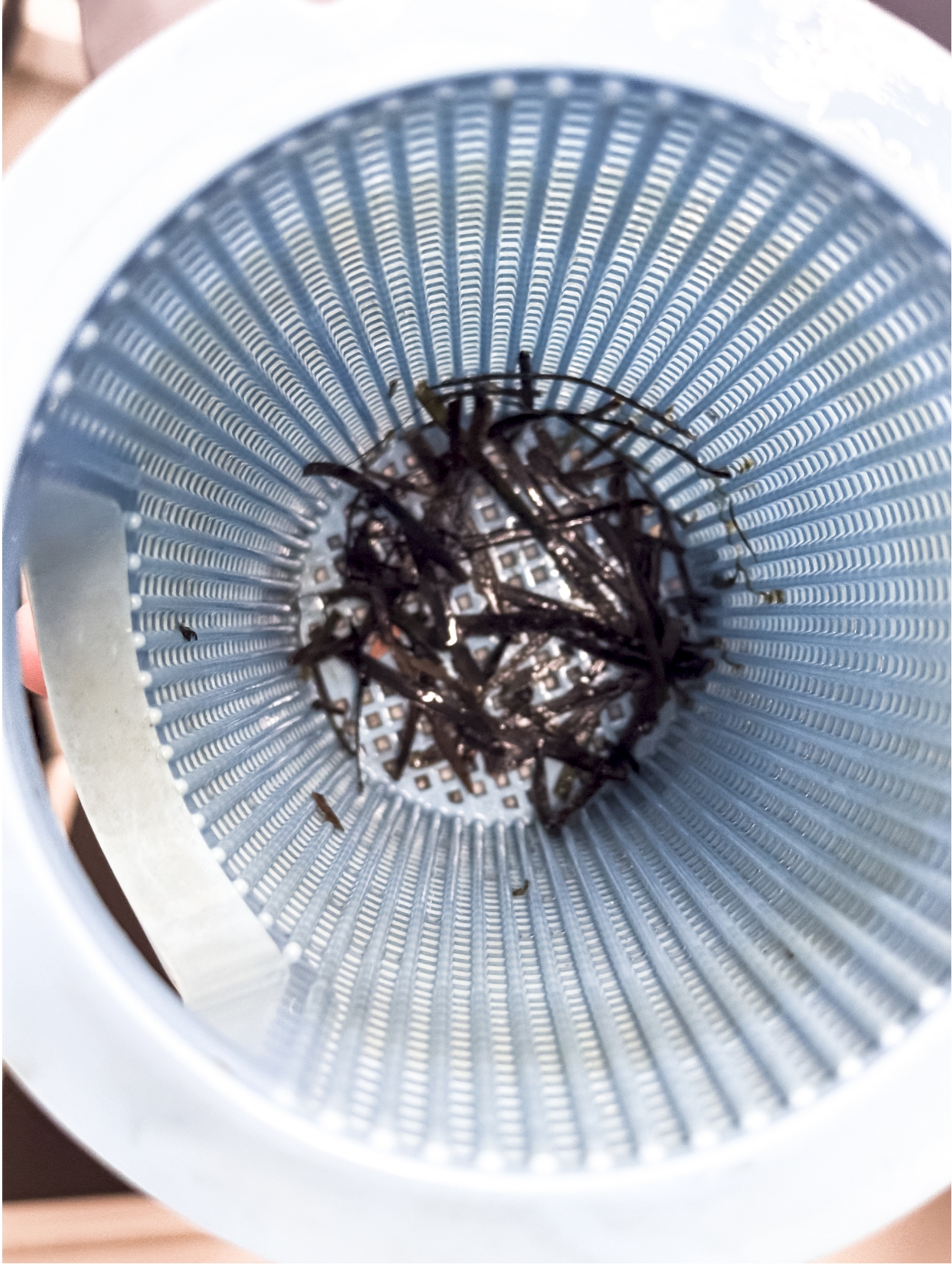
Sea strainers remove:
Seaweed
Marine growth
Shell fragments
Floating debris
Other contaminants
Without a properly functioning sea strainer, cooling water flow can be restricted, leading to:
Engine overheating
Generator shutdowns
Air-conditioning faults
Stabiliser issues
Watermaker performance problems
The manuals specifically note that vessels operating in areas with heavy marine growth or debris should have strainers checked more frequently than at normal maintenance intervals.
“The manuals specifically note that vessels operating in areas with heavy marine growth or debris should have strainers checked more frequently than at normal maintenance intervals.”
Daniel De Vivero
In warm-water boating environments such as Florida in the US, it is advisable to check and clean your strainers weekly.
Sea strainer service basics
Before opening any sea strainer:
Close the associated seacock
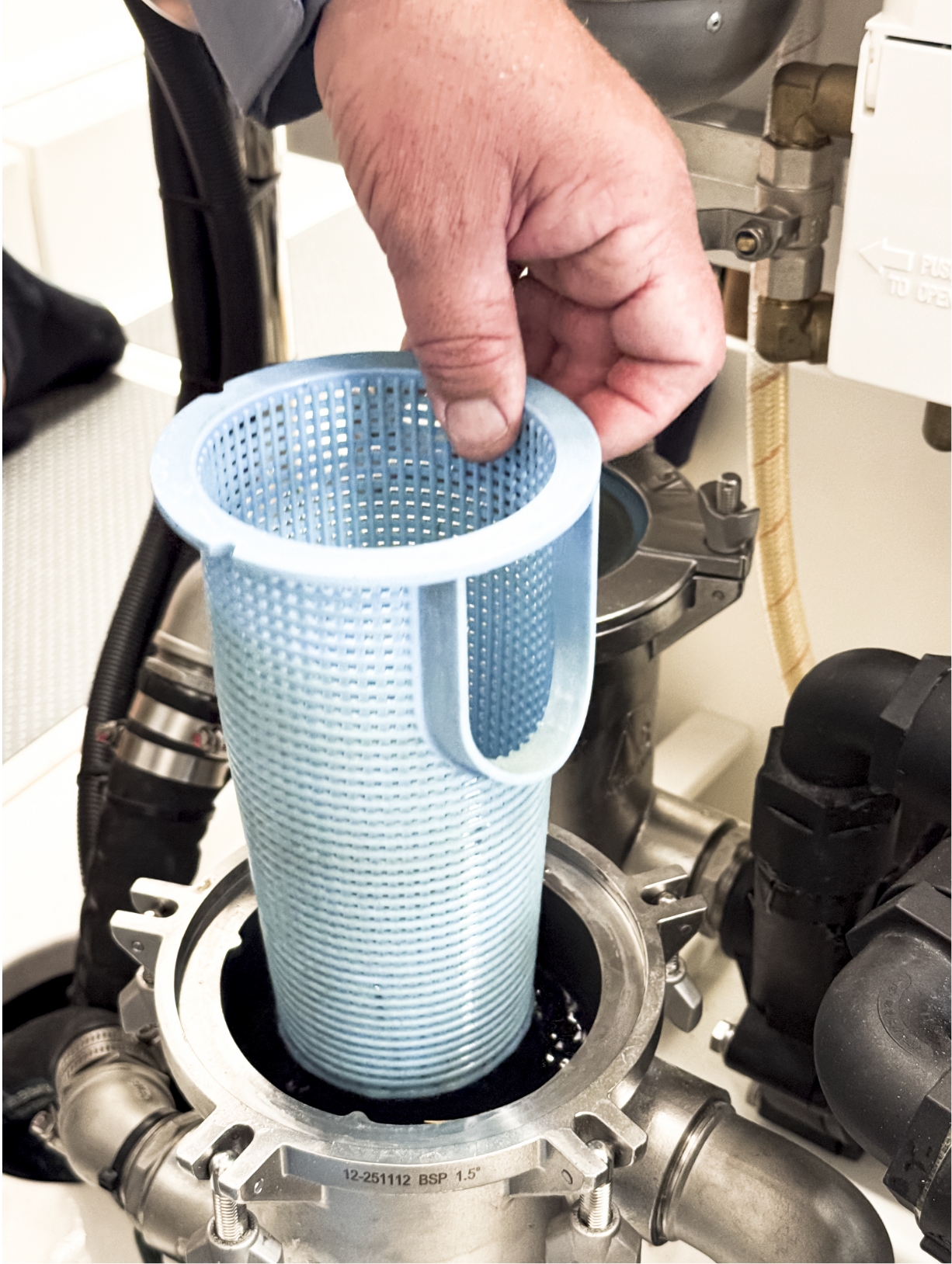
Remove and clean the strainer basket
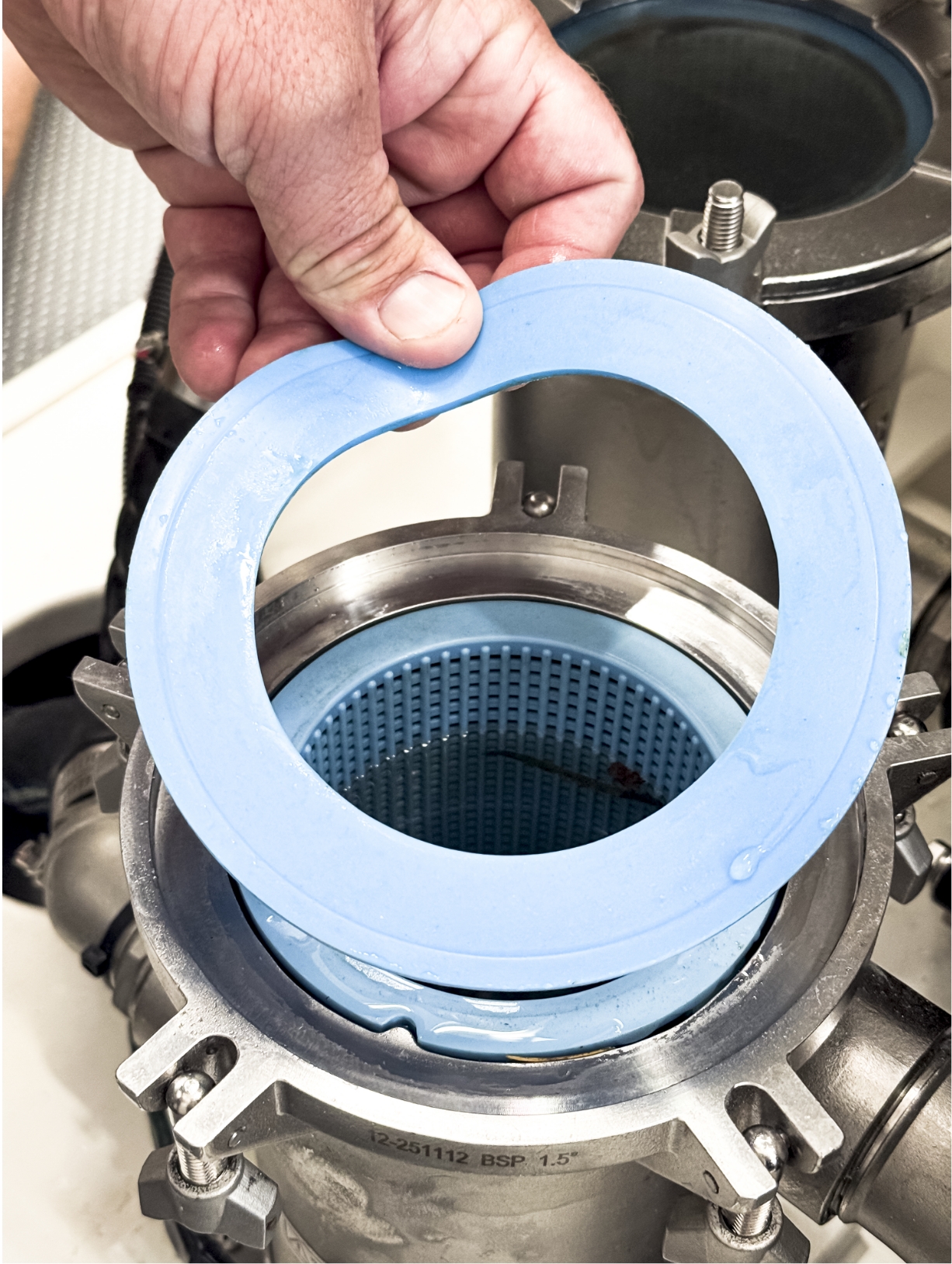
Inspect O-rings and seals
Reassemble correctly
Re-open the seacock
Carefully check for leaks
The manuals repeatedly warn of the risk of water entering the vessel if seawater systems are opened without first isolating the seacock.
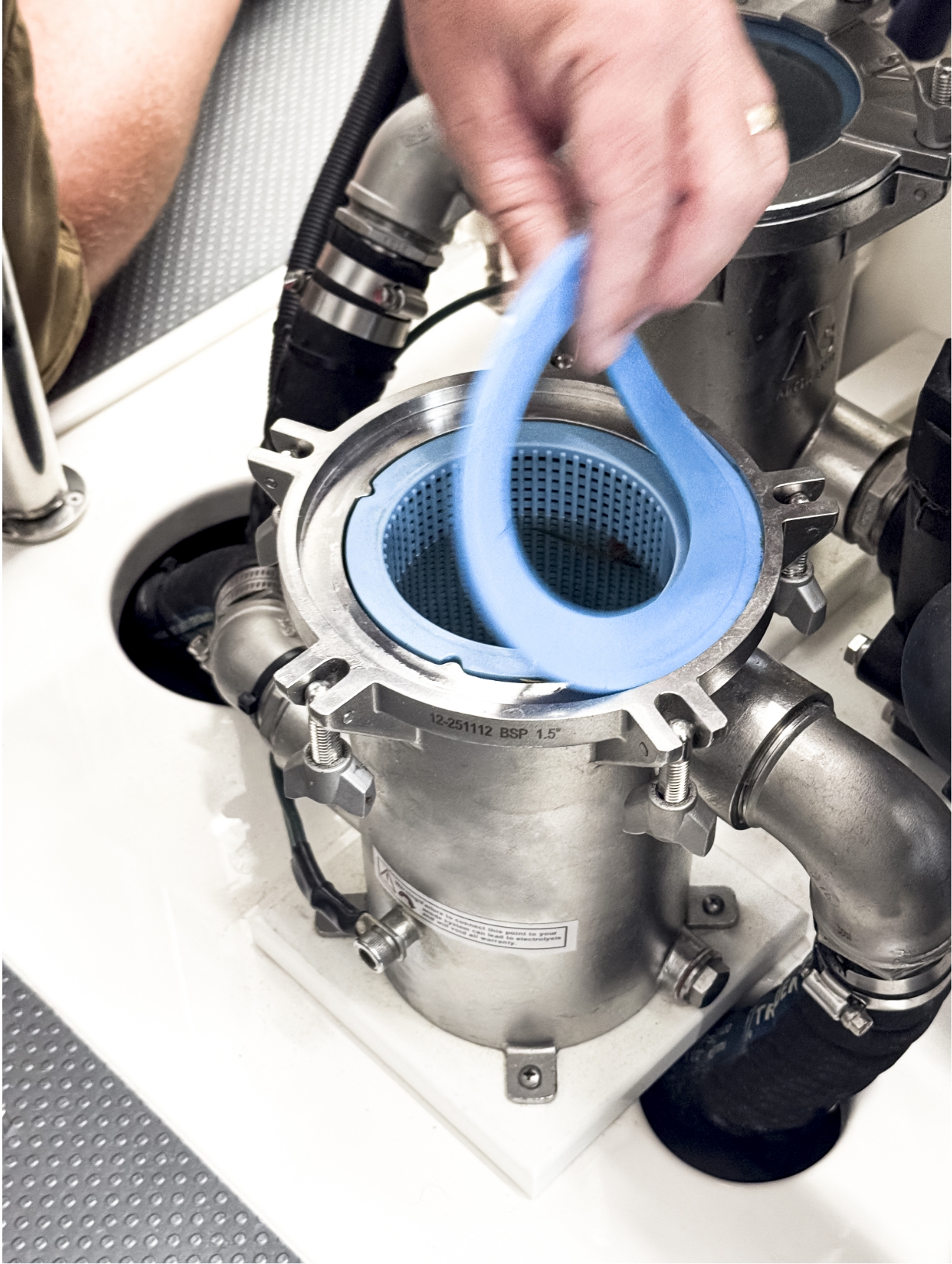
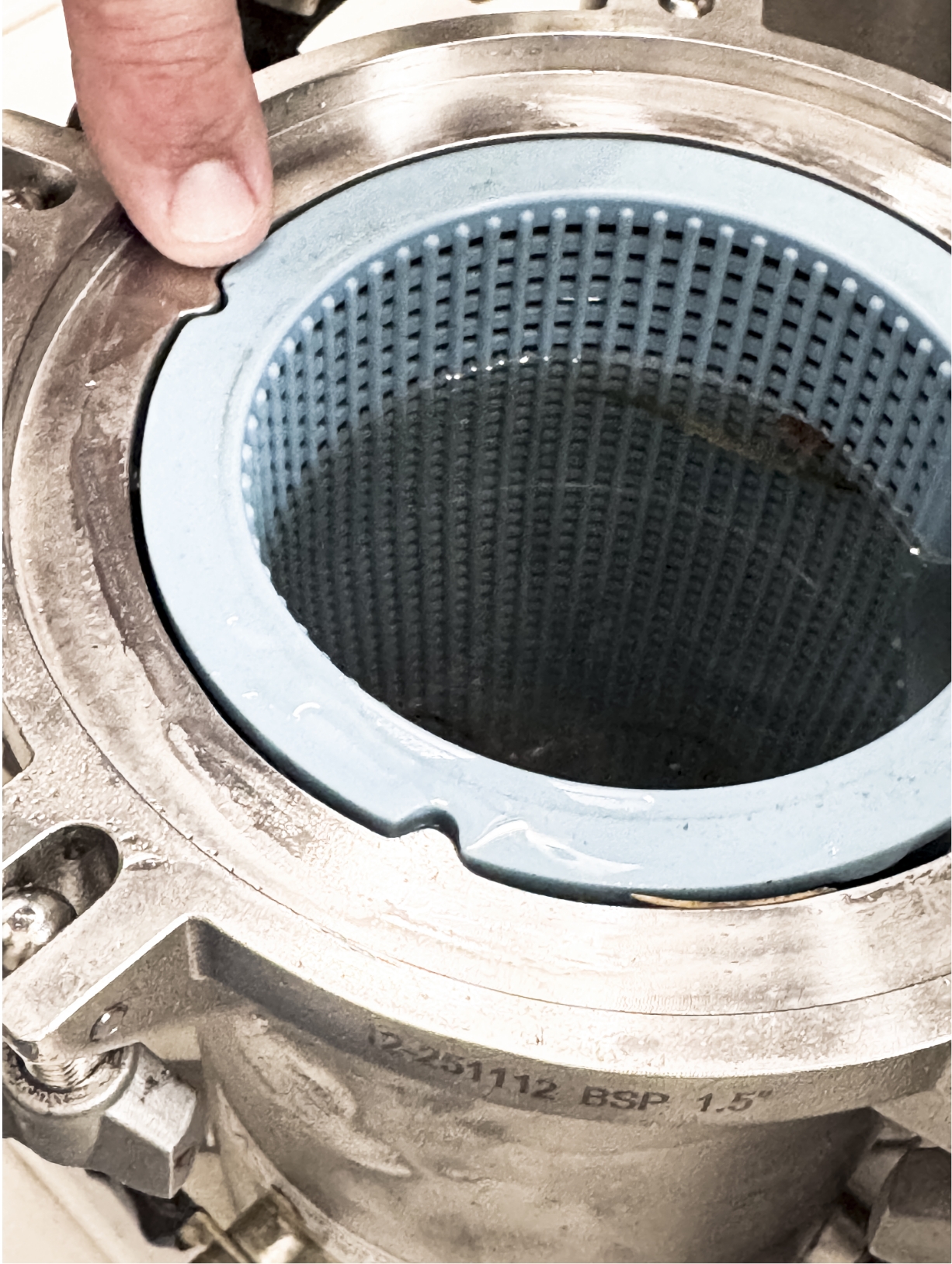
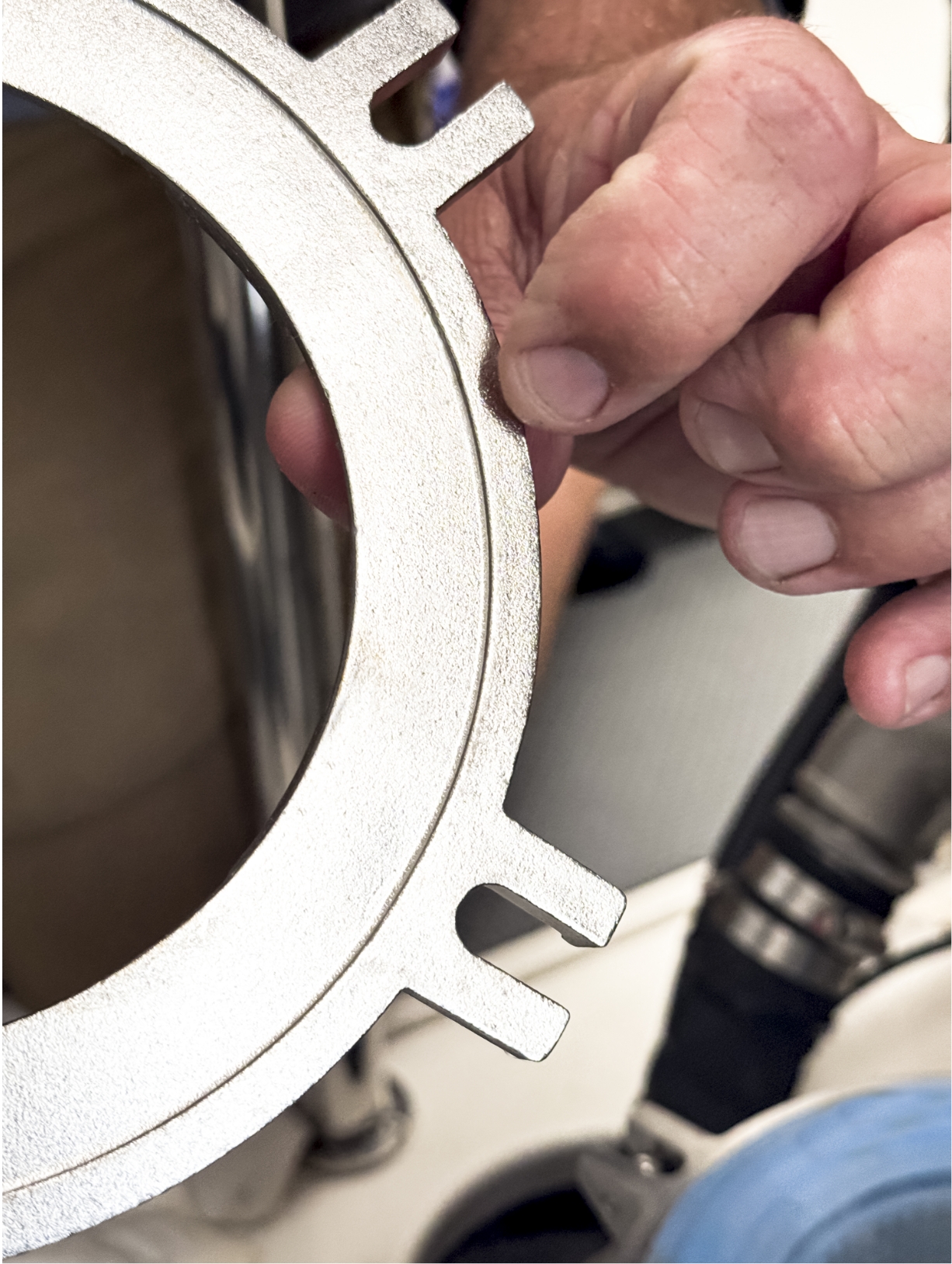
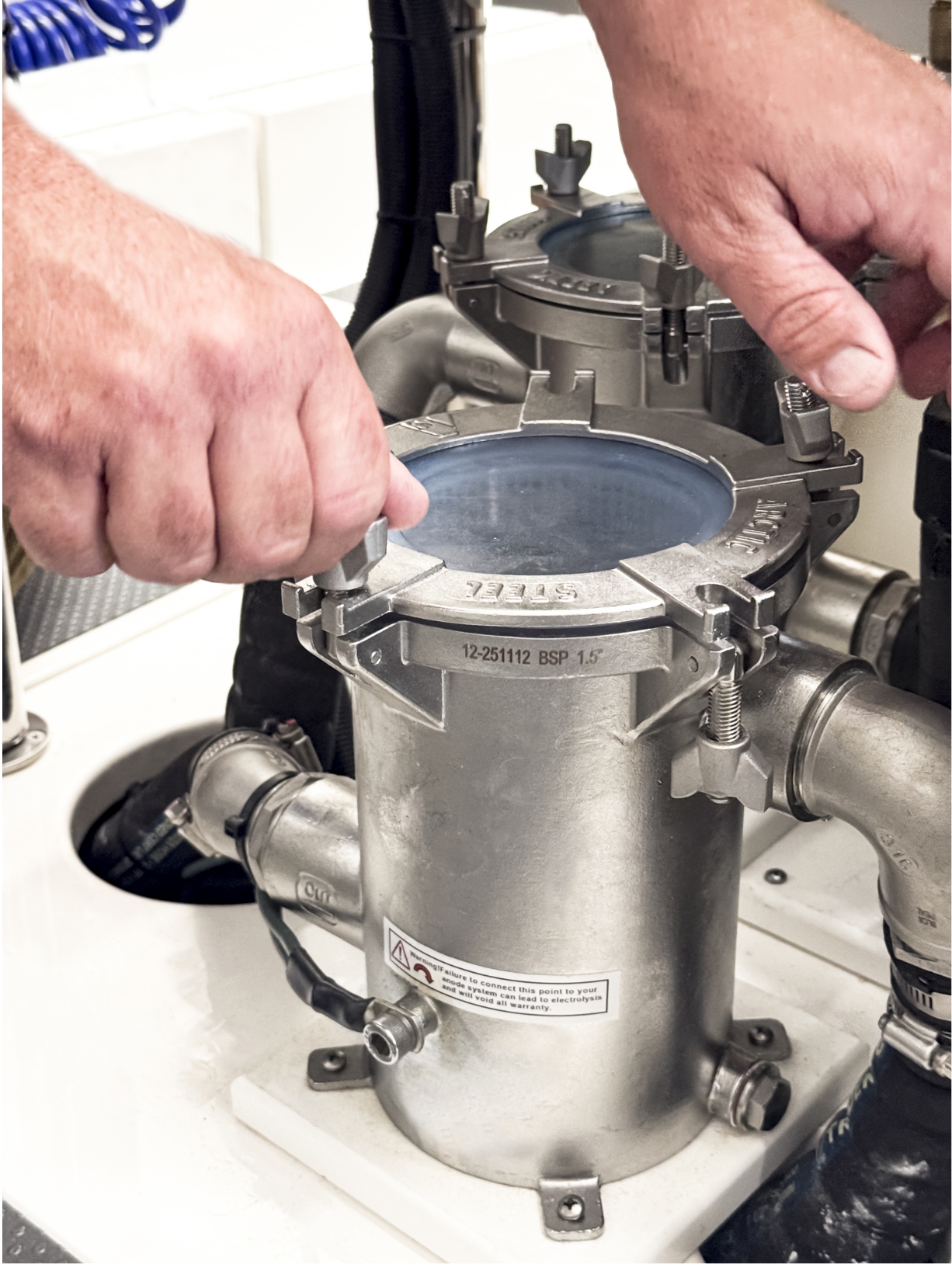
Close the associated seacock before you commence any strainer maintenance. Loosen the top plate fittings, remove the plate, and clear strainer cover.
Carefully remove and inspect the O-ring and seal and clean the strainer basket.
Ensure the O-ring and seals are clean and reassemble the strainer. When complete, re-open the associated seacock.
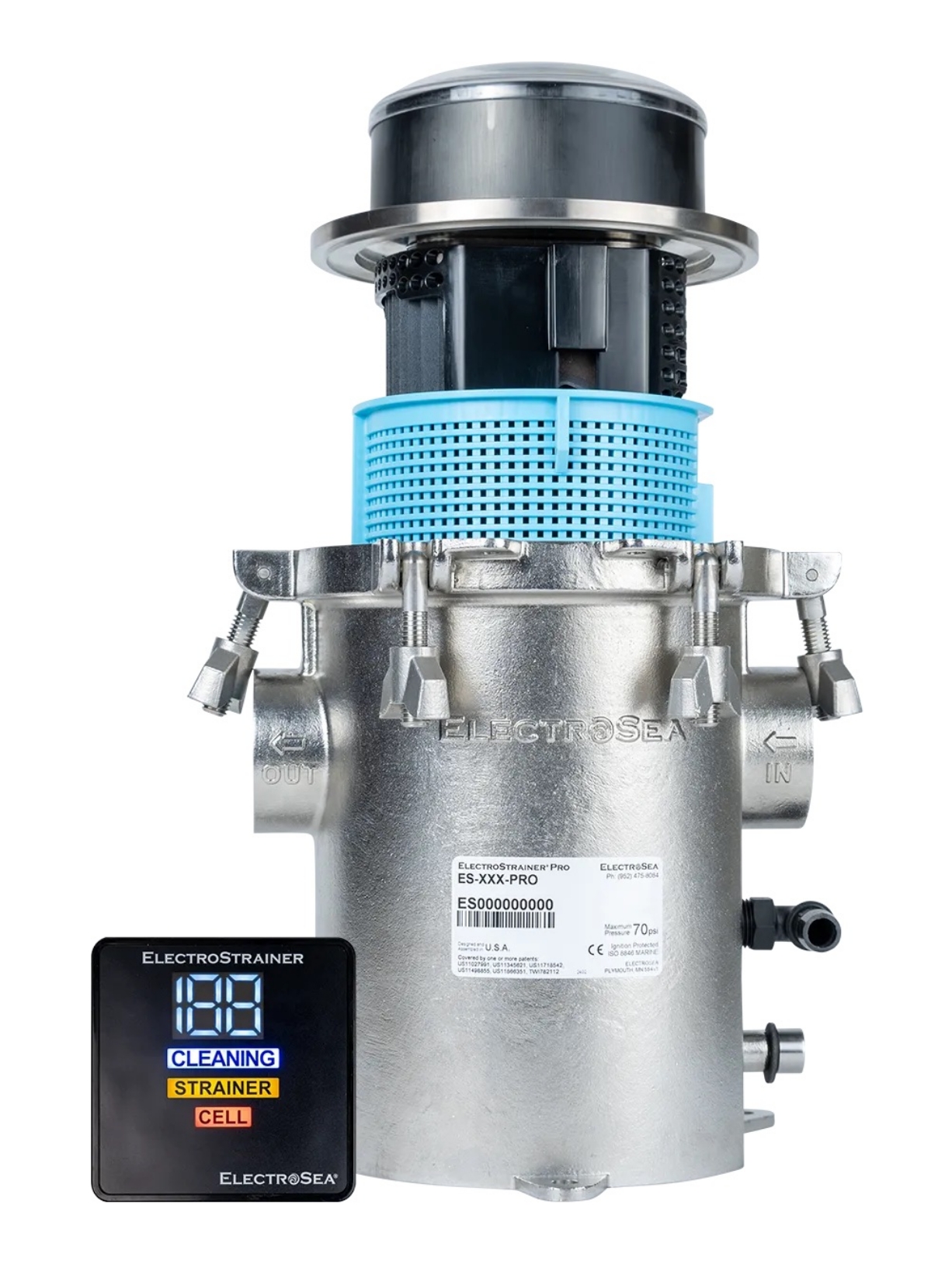
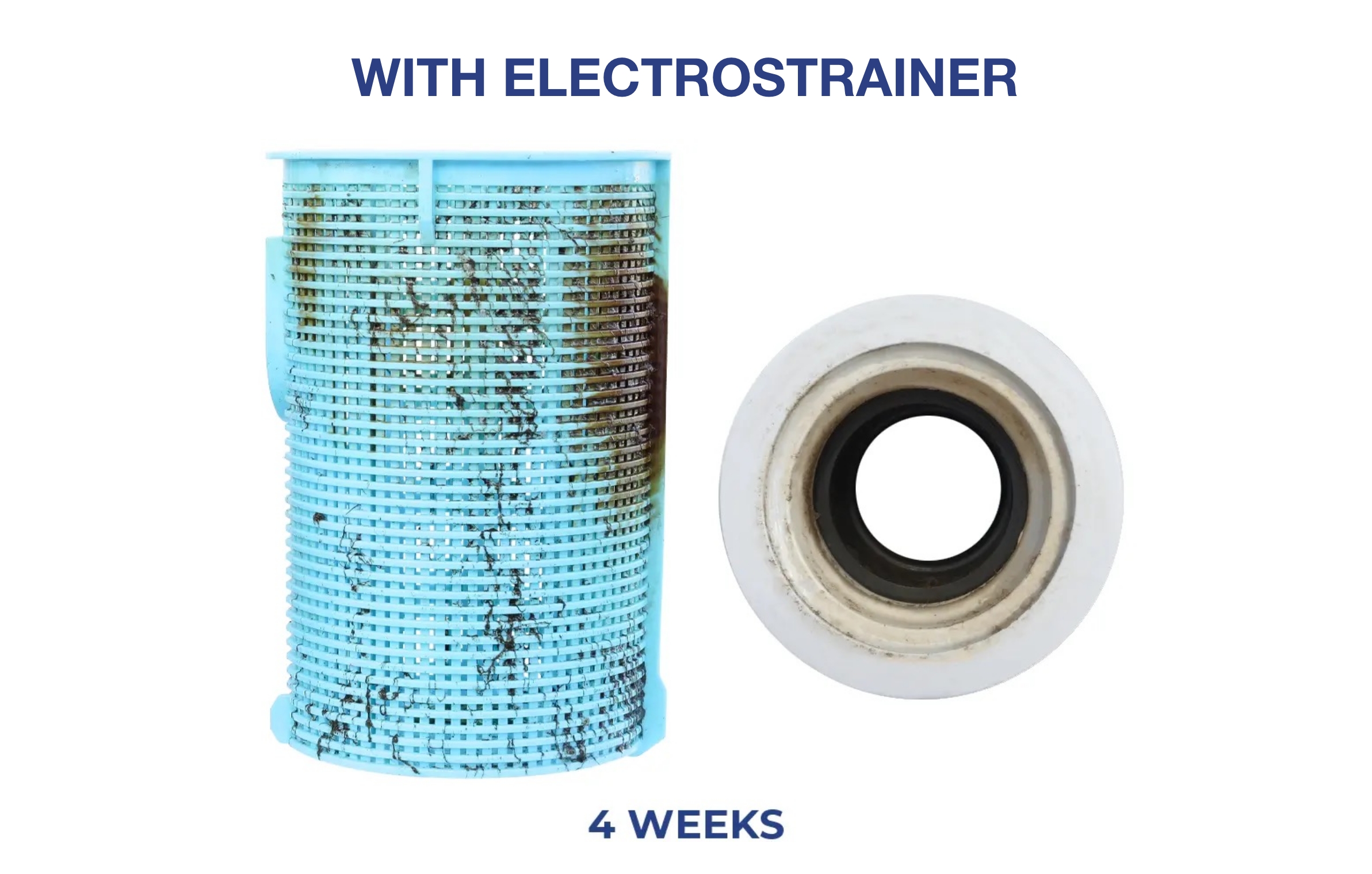
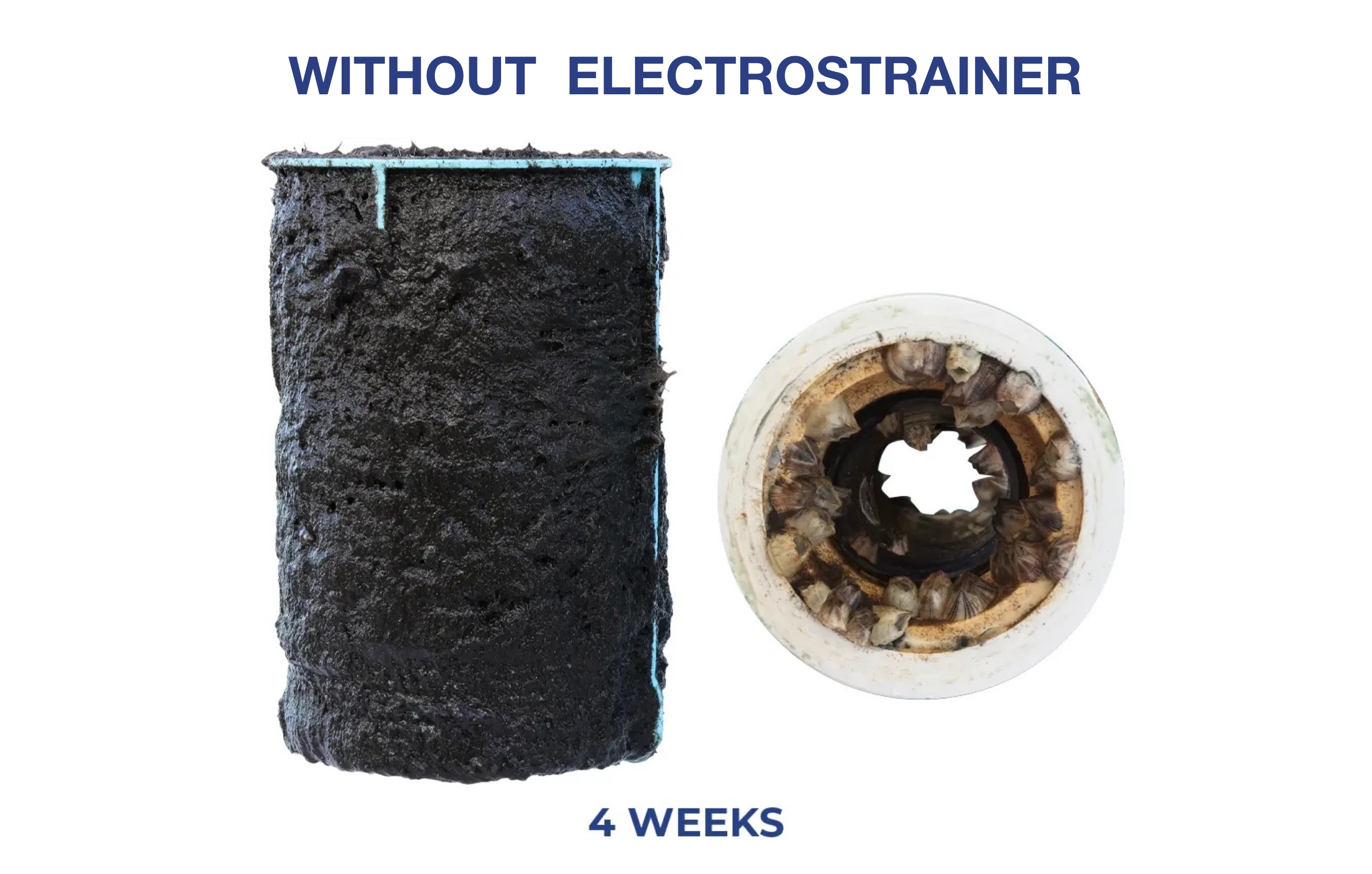
ElectroSea ClearLine System
Riviera offers owners the option to install ElectroSea’s ClearLine system, which provides intelligent, automatic protection for essential seawater systems. For boating environments such as the warm waters of southern Florida, the Bahamas and the Caribbean, this advanced electrochlorination technology creates a controlled level of chlorine naturally from seawater, helping prevent marine growth and biofouling in seawater lines and sea strainers. The result is cleaner, more reliable water flow, reduced maintenance and less need for descaling, providing owners with greater confidence, convenience and more time to simply enjoy life aboard.
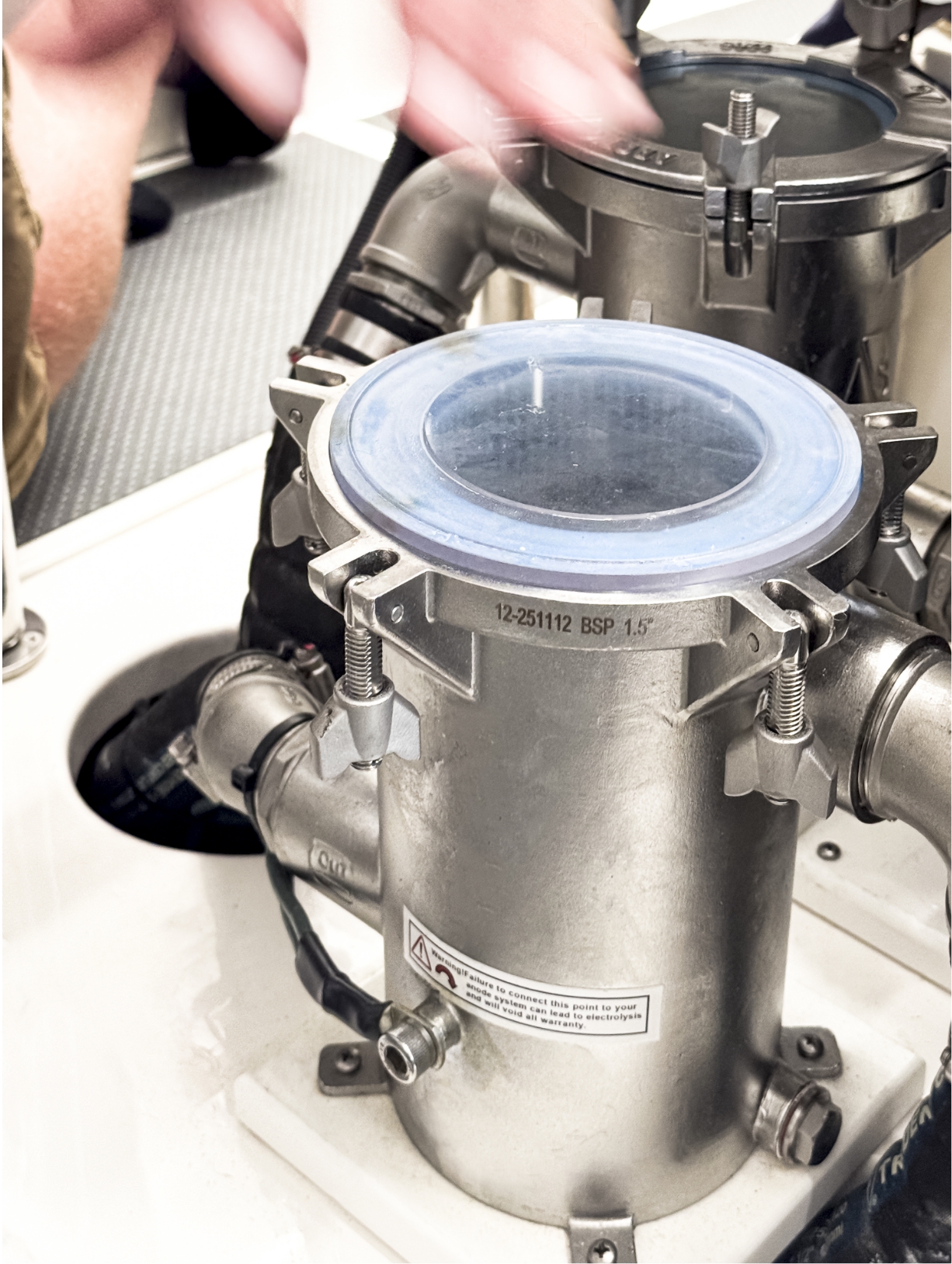
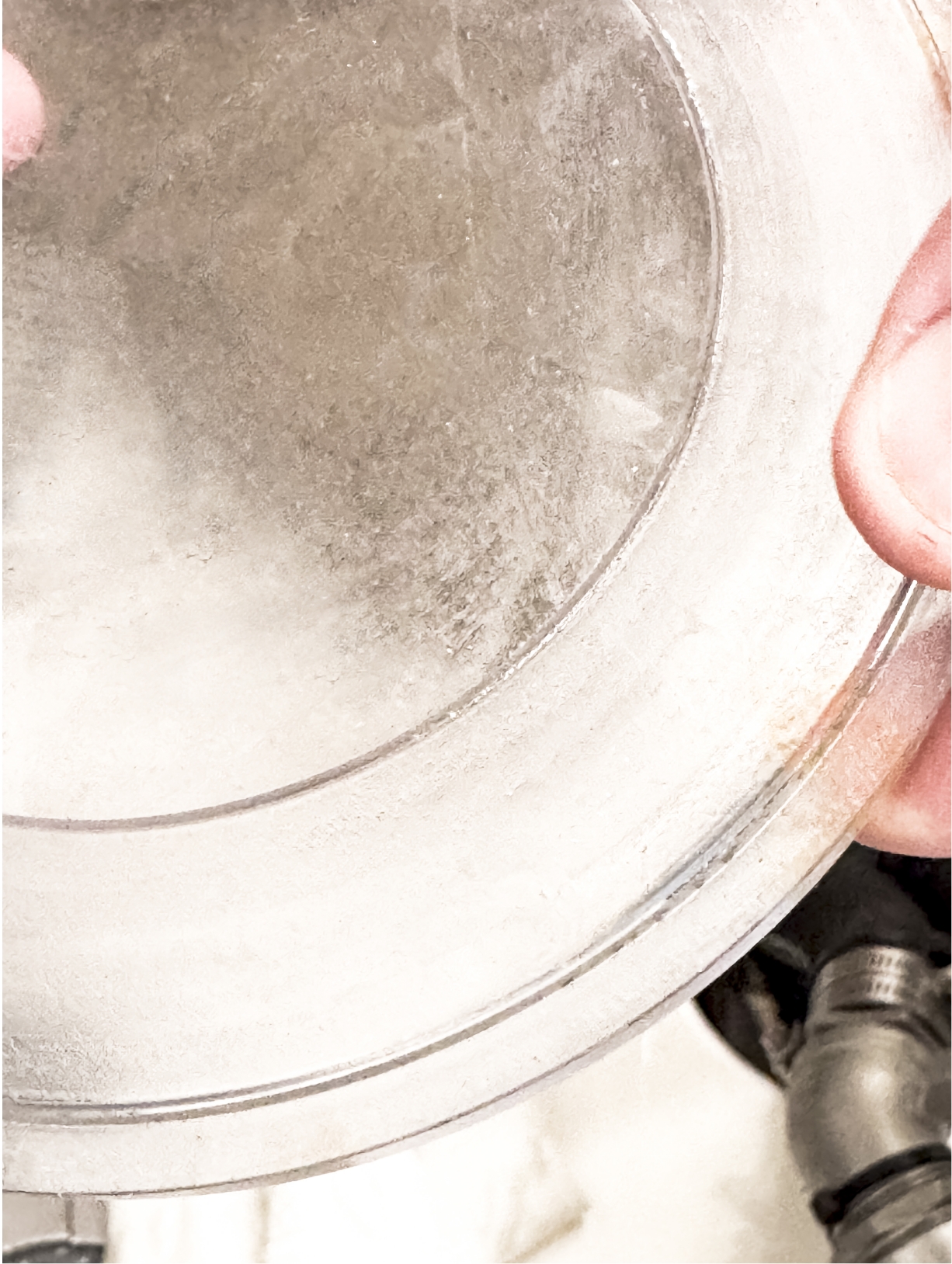
A comparison of two strainers over a four-week period in very warm water conditions, one protected by the ElectroSea Clearline System, the other not.
A useful bilge inspection tip
One of the best troubleshooting tips found throughout the Riviera manuals concerns water found in the bilge.
If you discover:
Fresh water – Inspect:
Fresh-water plumbing
Water heaters
Pumps
Hoses and fittings
Hatches and windows for rainwater ingress
Salt water – Inspect:
Through-hull fittings
Seacocks
Sea strainers
Hose clamps
Raw-water systems
This simple distinction can quickly help identify the source of a leak.
“If a seacock is intentionally closed for maintenance or lay-up, Riviera recommends placing a visible safety tag at the helm to alert operators that the vessel is not configured for normal operation.”
Daniel De Vivero
Don't forget safety tags
An often-overlooked recommendation in the Riviera owner manuals is the use of safety tags.
If a seacock is intentionally closed for maintenance or lay-up, Riviera recommends placing a visible safety tag at the helm to alert operators that the vessel is not configured for normal operation.
This simple practice can prevent accidental equipment damage caused by starting a system with its seawater supply isolated.
A note about grey-water valves
Many Riviera owners are unaware that some grey-water drain skin fitting ball valves are factory fitted with tamper tags designed to keep them permanently open during normal operation.
These valves should only be closed for maintenance purposes and, if tamper tags are removed, they should be reinstalled afterwards to ensure correct operation and prevent unwanted water accumulation within the vessel.
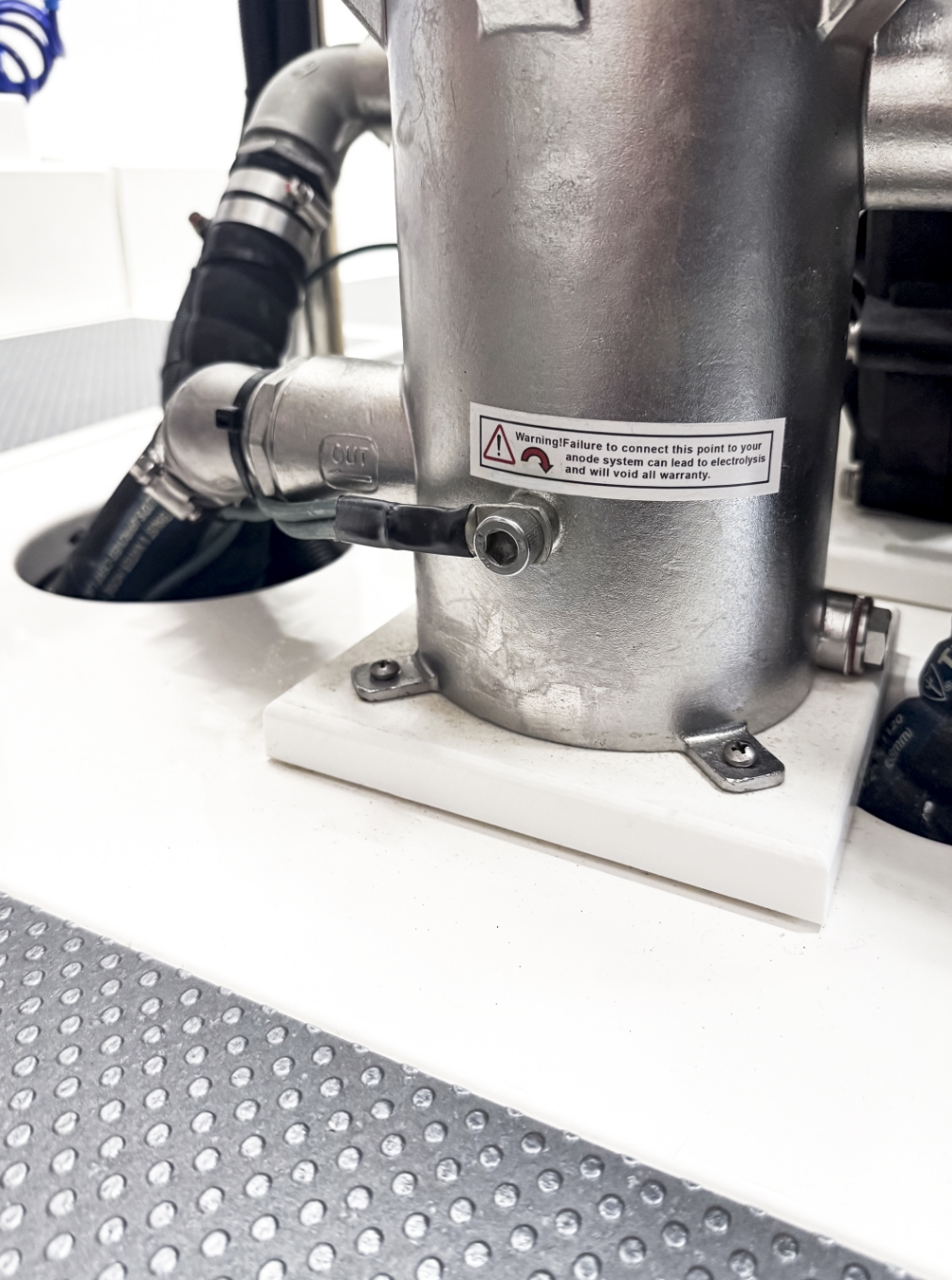
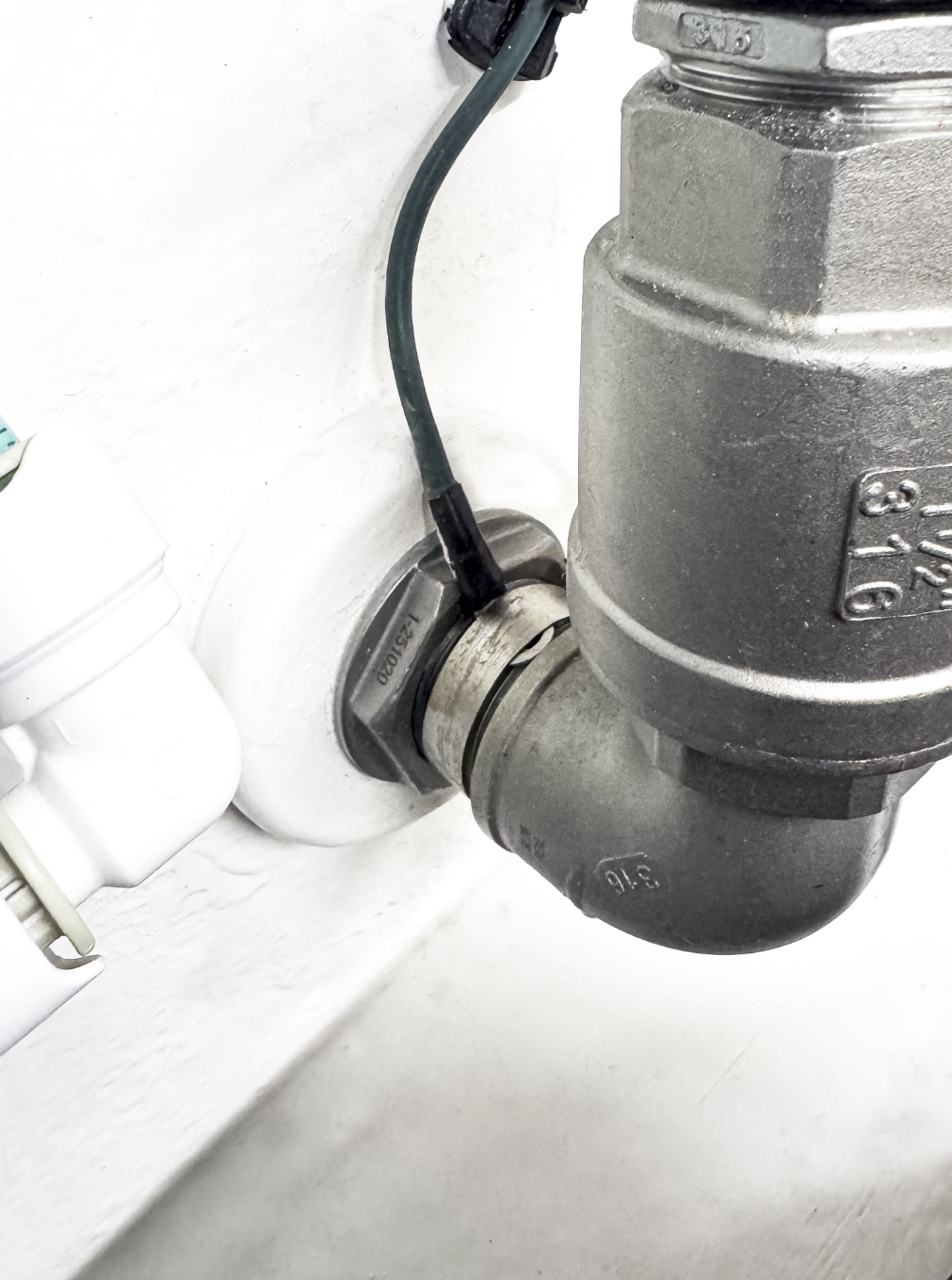
It is always advisable to visually check electrical bonding connections when you are undertaking your routine engine room inspections.
Recommended inspection checklist
During routine engine room inspections, Riviera recommends checking:
Through-hull fittings
Seacocks
Sea strainers
Electrical bonding connections
Hose condition
Hose clamps
Signs of corrosion
Signs of leakage or water staining
“Through-hull fittings, seacocks and sea strainers may not attract the same attention as engines or electronics, but they are among the most important safety systems on board your Riviera.”
Daniel De Vivero
Final thought
Through-hull fittings, seacocks and sea strainers may not attract the same attention as engines or electronics, but they are among the most important safety systems on board your Riviera.
A few minutes spent inspecting these components during routine checks can prevent lost boating time and costly repairs, protect critical machinery and, most importantly, help keep your vessel safe, reliable and seaworthy.
The next time you’re in the engine room, take a closer look at the fittings standing between your Riviera and the ocean.